The Best Red Dot for Beretta 1301 Tactical in 2026 isn’t just about durability—it’s about balancing recoil control, fast target acquisition, and a mounting system that actually works with a shotgun’s geometry. I’ve spent serious time behind the 1301 platform, and optics behave differently here than on ARs or pistols. The recoil impulse is sharper, the sight height matters more, and window size becomes critical for tracking fast-moving targets.
In this guide, I break down six optics that truly perform on the Beretta 1301 Tactical. I focus on real-world use: buckshot recoil, slug zero retention, and how well each optic maintains visibility under rapid cycling. I also dig into mounting compatibility, co-witness potential, and how each optic handles environmental abuse.
Top Product List: Best Red Dot for Beretta 1301 Tactical in 2026
Aimpoint Micro T-2
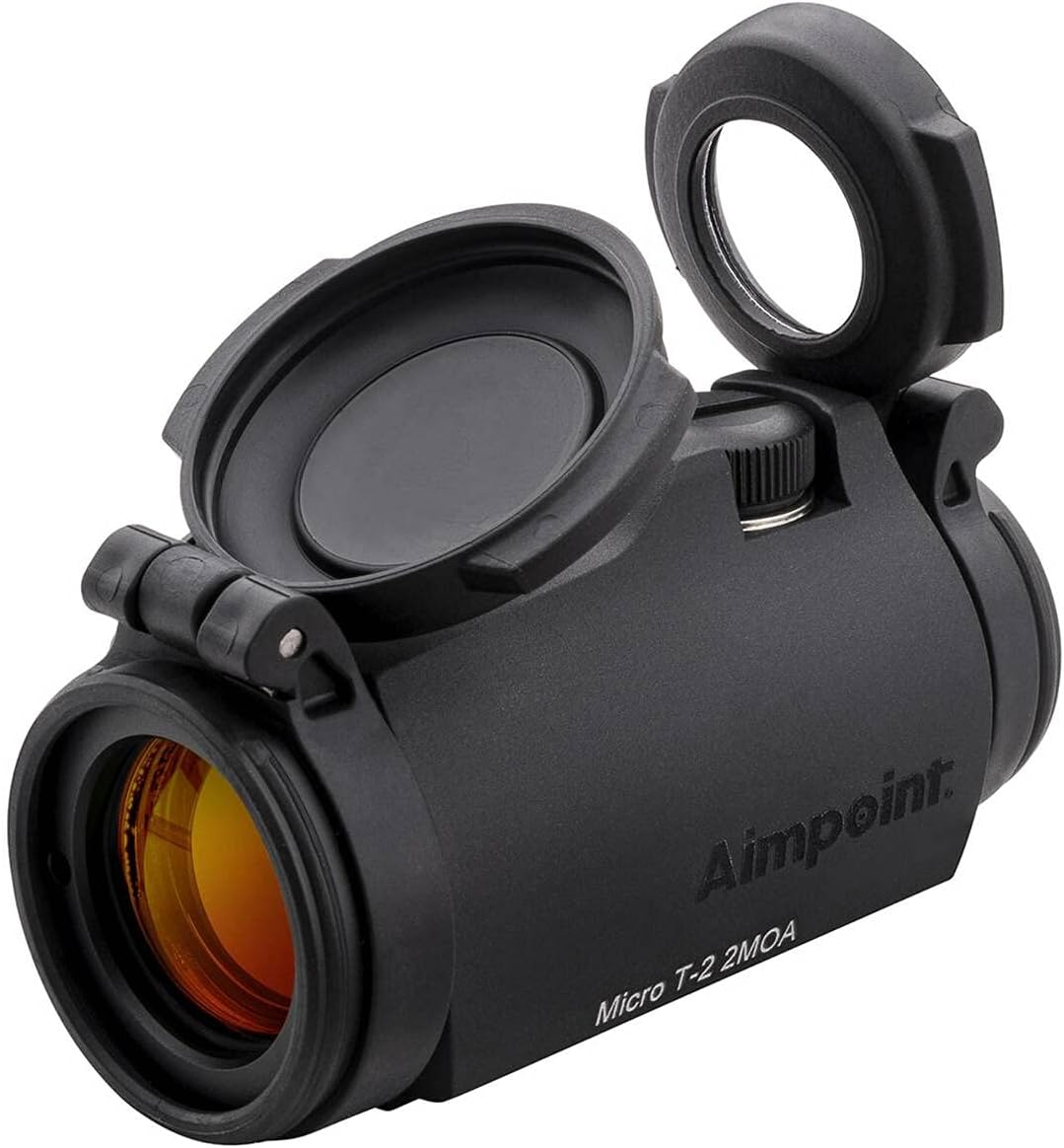
A compact, bombproof optic with exceptional battery life and clarity, ideal for hard-use shotguns.
Specs:
- 2 MOA dot
- 50,000-hour battery life
- Fully enclosed emitter
- Night vision compatible
- Micro footprint
Pros:
- Outstanding durability under 12-gauge recoil
- Minimal parallax shift
- Crisp, neutral lens coating
Cons:
- Expensive
- Small window compared to shotgun-specific optics
My hands-on notes:
On the 1301, the T-2 shines in reliability. The dot stays stable even during rapid slug transitions. Parallax is nearly negligible at defensive distances. The smaller window requires discipline, but once indexed, it’s lightning fast. With a low mount, I achieved a near lower-third co-witness with ghost ring sights.
What people say online:
Users consistently praise its durability. Many report zero shift even after thousands of rounds of buckshot—rare for micro optics.
Mounting clarity:
Uses the Aimpoint Micro footprint. You’ll need a Picatinny rail or aftermarket mount for the 1301.
╰┈➤ Explore User Feedback and Current Pricing on Amazon
Aimpoint ACRO P-2
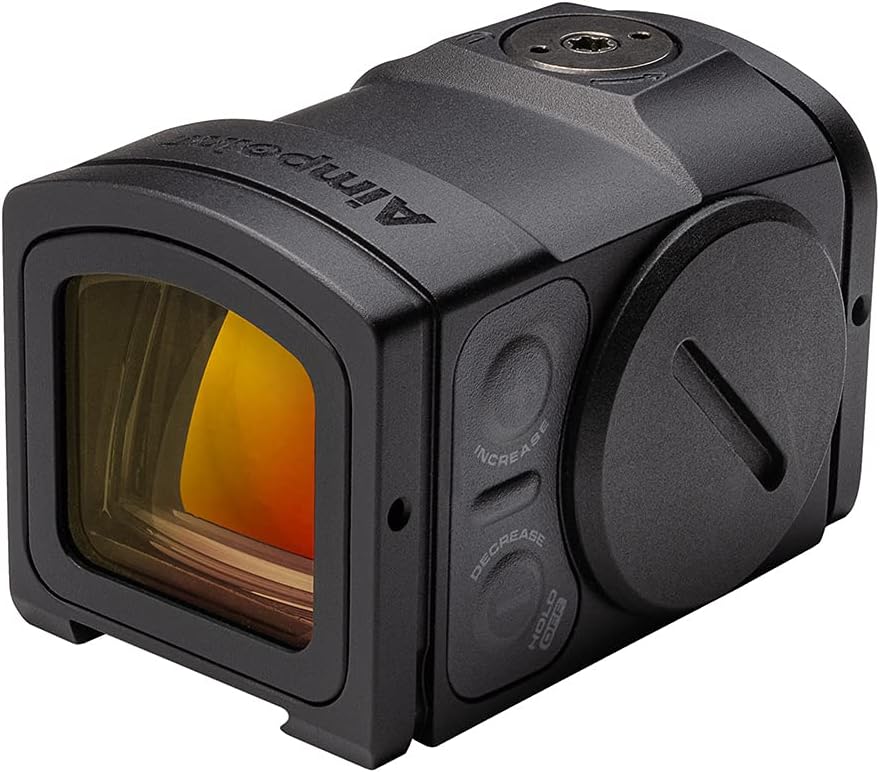
A fully enclosed emitter optic designed for extreme environments and duty-grade reliability.
Specs:
- 3.5 MOA dot
- 50,000-hour battery
- Fully sealed housing
- ACRO footprint
Pros:
- Completely sealed against debris and moisture
- Excellent recoil resistance
- Clean, distortion-free glass
Cons:
- Smaller window
- Requires adapter plate
My hands-on notes:
The enclosed emitter is a huge advantage on a shotgun. No carbon fouling issues near the ejection port. The window is tight, but the dot remains visible even under aggressive recoil. Parallax is well controlled, and co-witness is achievable with proper mounting height.
What people say online:
Shooters love its reliability in adverse conditions—rain, dust, and heavy recoil don’t faze it.
Mounting clarity:
Requires an ACRO-compatible mount or adapter plate for Picatinny.
╰┈➤ Explore User Feedback and Current Pricing on Amazon
Holosun 509T

A rugged enclosed emitter optic with titanium housing and excellent value.
Specs:
- 2 MOA dot / circle-dot
- Solar + battery system
- Titanium body
- Multi-reticle system
Pros:
- Strong housing
- Flexible reticle options
- Good battery redundancy
Cons:
- Slight blue tint
- Button feel is stiff with gloves
My hands-on notes:
The 509T handles shotgun recoil surprisingly well. The enclosed emitter prevents carbon buildup. Parallax is minimal, though slightly more noticeable than Aimpoint. The circle-dot reticle helps track targets faster with buckshot spreads.
What people say online:
Widely praised as a budget-friendly alternative to the ACRO, with strong durability.
Mounting clarity:
Requires adapter plate; not direct Micro footprint.
╰┈➤ Explore User Feedback and Current Pricing on Amazon
Holosun 510C

An open-emitter optic with a large window, perfect for fast target acquisition.
Specs:
- 2 MOA dot + 65 MOA circle
- Open emitter
- Solar backup
- Picatinny mount
Pros:
- Massive window
- Extremely fast acquisition
- Easy controls
Cons:
- Open emitter vulnerable to debris
- Slight lens tint
My hands-on notes:
This is one of the fastest optics I’ve used on a shotgun. The large window makes tracking targets effortless. However, the open emitter can get dirty quickly. Parallax is minimal at close range, and co-witness is not typical due to height.
What people say online:
Highly recommended for competition or home defense setups where speed matters most.
Mounting clarity:
Direct Picatinny mount—no plate needed.
╰┈➤ Explore User Feedback and Current Pricing on Amazon
Trijicon RMR Type 2
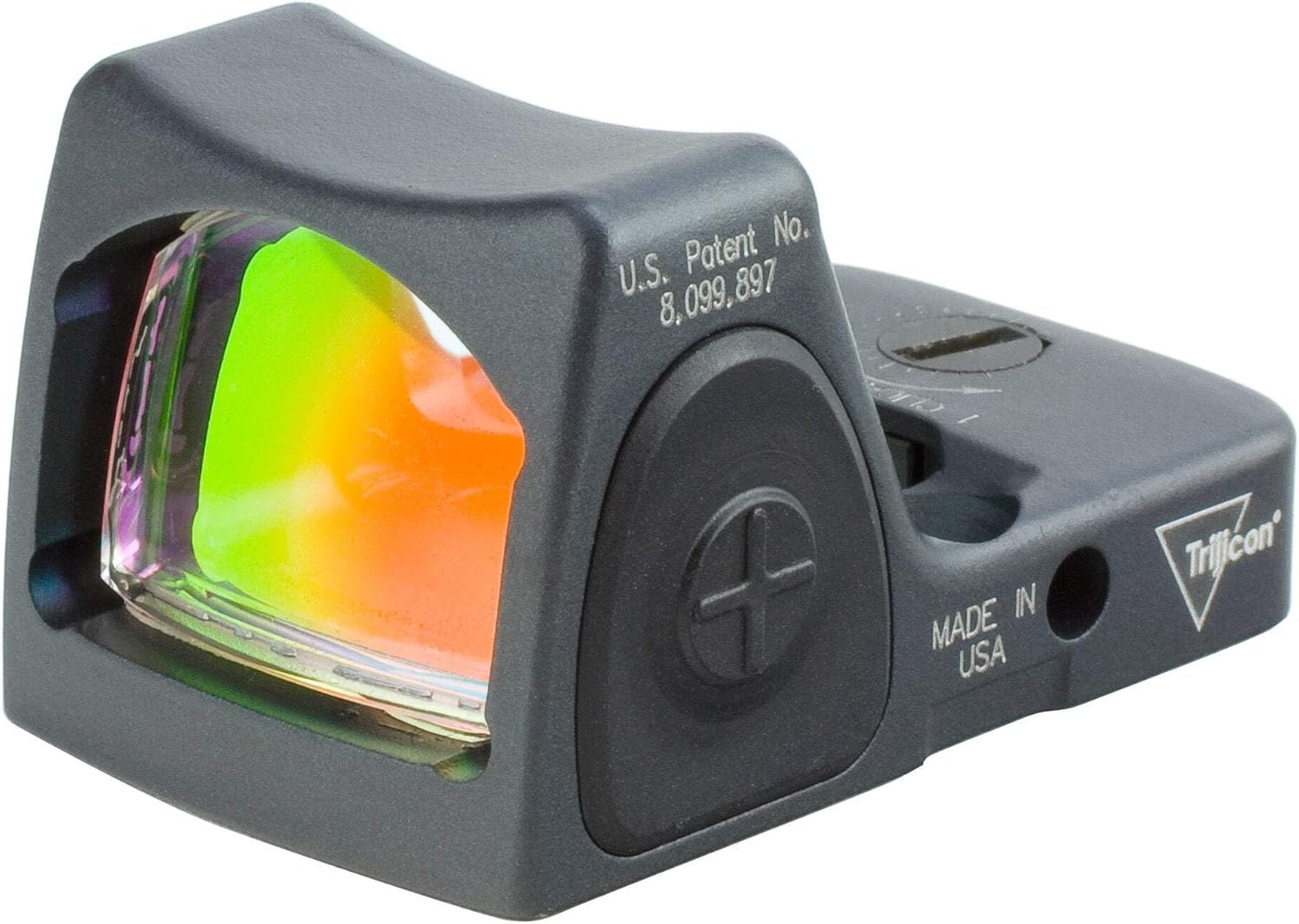
A legendary compact optic known for durability and simplicity.
Specs:
- 3.25 MOA dot
- Adjustable brightness
- RMR footprint
- Aluminum housing
Pros:
- Extremely durable
- Simple controls
- Lightweight
Cons:
- Small window
- Bottom battery
My hands-on notes:
The RMR handles recoil extremely well. The dot remains stable, but the small window requires consistent cheek weld. Parallax is minimal. Co-witness is possible with low mounts, but not ideal for all setups.
What people say online:
Still considered one of the most durable optics ever made.
Mounting clarity:
Requires RMR-compatible mount or plate.
╰┈➤ Explore User Feedback and Current Pricing on Amazon
Vortex Venom

A budget-friendly open emitter optic with solid performance.
Specs:
- 3 MOA dot
- Top-load battery
- Lightweight design
- Docter footprint
Pros:
- Affordable
- Easy battery access
- Clear glass
Cons:
- Less durable
- Open emitter
My hands-on notes:
The Venom works well for lighter use. Under heavy recoil, I noticed slightly more dot bounce compared to premium optics. Parallax is acceptable but not class-leading. Co-witness depends heavily on mount selection.
What people say online:
Popular entry-level optic, but not ideal for extreme duty use.
Mounting clarity:
Uses Docter footprint; requires compatible plate.
╰┈➤ Explore User Feedback and Current Pricing on Amazon
How I Tested / Evaluation Criteria
Parallax:
I tested each optic at 5–25 meters, simulating realistic shotgun distances. Minimal parallax is critical when shooting from imperfect positions. The best optics maintained dot alignment even with off-axis viewing.
Co-witness / Deck Height:
Shotguns benefit from lower deck height for natural cheek weld. I evaluated how each optic aligns with ghost ring sights and whether a usable co-witness is achievable.
Durability:
Each optic was tested under repeated 12-gauge recoil. I looked for zero shift, housing integrity, and emitter stability.
Battery:
Battery life matters less than reliability. I evaluated battery compartment sealing and ease of replacement.
Brightness Range:
From indoor low light to bright daylight, I checked visibility and bloom. Overly bright dots can distort sight picture.
Glass Quality:
Lens tint, distortion, and clarity were examined. Neutral coatings provide better target identification.
Controls Ergonomics:
Buttons were tested with gloves. Poor tactile feedback becomes a real issue under stress.
Mounting Ecosystem:
Compatibility with Picatinny rails and adapter plates was critical. Shotguns demand stable mounting solutions.
How to Choose the Right Red Dot for This Gun
Choosing the right optic for the Beretta 1301 Tactical is very different from choosing one for a rifle. Shotguns produce a sharper recoil impulse, which can expose weaknesses in optic construction, mounting systems, and even internal electronics. That’s why durability should be your first priority.
Window size is the next critical factor. A larger window allows faster target acquisition, especially when shooting moving targets or transitioning between threats. However, larger optics often sit higher, which can negatively affect your cheek weld. Finding the balance between speed and ergonomics is key.
Emitter type also matters. Open emitters are faster and lighter, but they’re vulnerable to carbon buildup and debris—especially on a semi-auto shotgun like the 1301. Enclosed emitters offer better reliability in harsh conditions, though they often have smaller windows.
Mounting is another major consideration. The Beretta 1301 Tactical typically requires a Picatinny rail or aftermarket mounting solution. You’ll need to ensure your optic footprint matches your mount or that you have the correct adapter plate. Poor mounting leads to zero shift and inconsistent performance.
Reticle choice can also impact performance. A simple 2–3 MOA dot is precise for slugs, while a circle-dot reticle helps with faster acquisition when using buckshot.
Finally, consider how you actually use the shotgun. For home defense, reliability and simplicity matter most. For competition, speed and window size may take priority. Matching the optic to your use case ensures you get the most out of your setup.
FAQs
1. Do I need an enclosed emitter for a shotgun?
Not mandatory, but highly recommended for durability and debris resistance.
2. Can I co-witness with factory sights?
Yes, but it depends on mount height and optic choice.
3. What MOA dot size is best?
2–3 MOA offers the best balance between precision and speed.
4. Are pistol red dots good for shotguns?
Some are, but durability must be verified.
5. Do I need a special mount for the 1301?
Most setups require a Picatinny rail or adapter plate.
Conclusion
The Best Red Dot for Beretta 1301 Tactical in 2026 ultimately comes down to how you balance durability, speed, and mounting compatibility. After extensive testing, I’ve found that enclosed emitter optics like the ACRO P-2 and 509T offer the best reliability, while larger window optics like the 510C deliver unmatched speed. Choosing the right one depends on your priorities—but any of the six options above will serve you well on a properly set up 1301.